Website Design for Home Service Companies

Your website should bring in calls, quote requests, and booked jobs, not just look good. We build websites that turn search visibility into inbound calls and booked work for home service companies.

What your home service website should do for your business

Most home service websites don’t fall short because of how they look.

They fall short because they don’t make it easy for customers to take action.
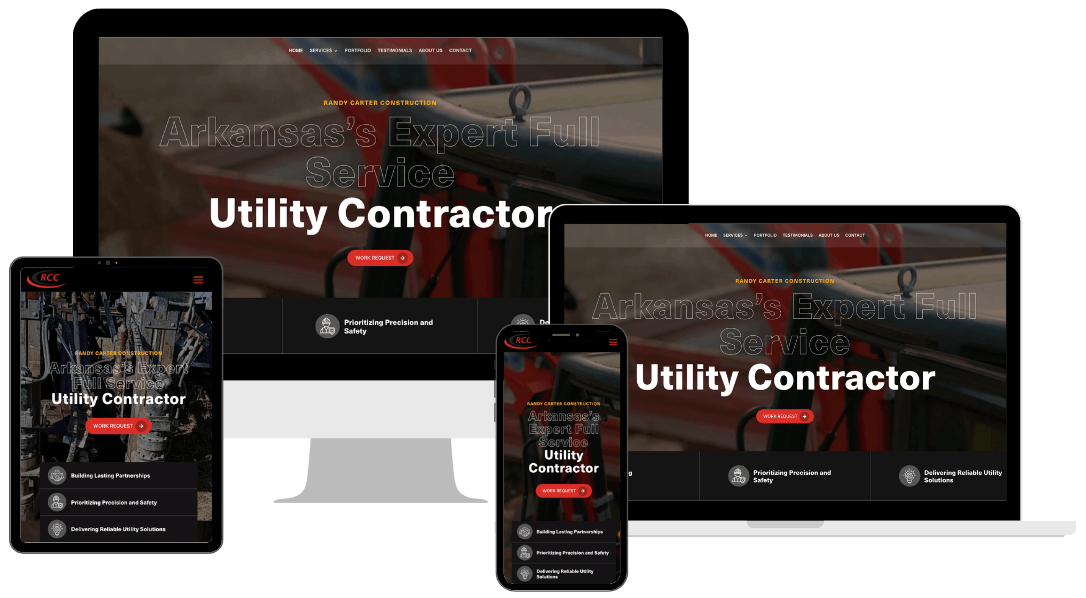
A strong home service website removes that friction. It clearly lays out your services and service areas, makes your phone number and quote forms easy to find, and gives people a clear path to reach out. It also builds trust with reviews, photos, and straightforward messaging that shows you know what you’re doing.

But even if all of that is in place, it still has to work the way your customers actually use it. Most people aren’t sitting at a desk comparing options. They’re on their phone, often in the moment, looking for someone who can help right away. That means your site needs to load quickly, be easy to navigate, and make contacting you feel simple and immediate. If it doesn’t, they won’t spend time figuring it out; they’ll move on.

At the end of the day, your website should support how your business runs. It should help drive calls, increase quote requests, and bring in work from the areas you actually want to serve.

How a website turns traffic into calls and quote requests
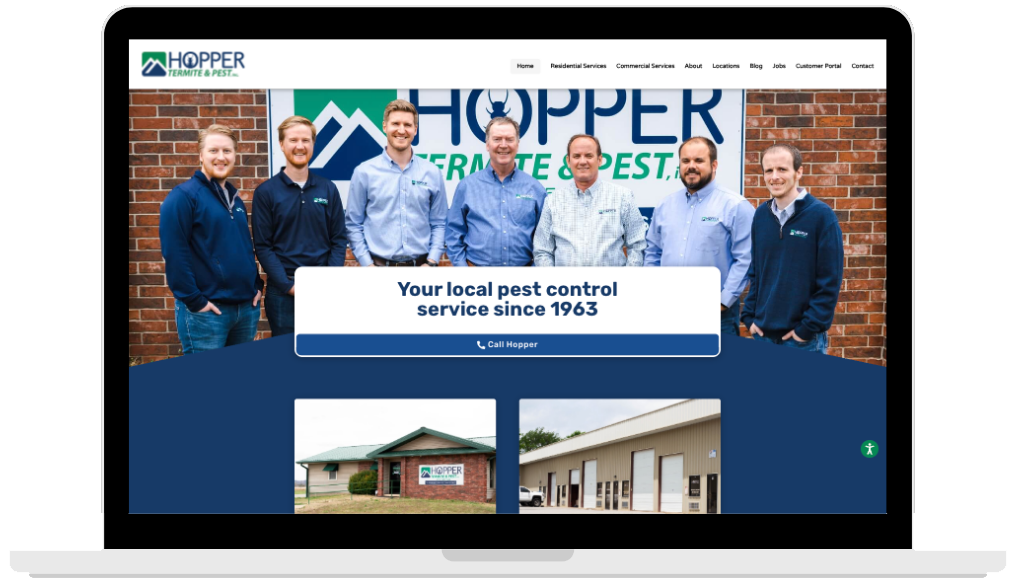
A laptop screen displays the West Termite & Lawn Care website, designed by Rock City Digital, featuring a family sitting together outdoors, a form for a free quote, and company contact information in the header.
Once someone lands on your website, the next step should feel obvious.

They shouldn’t have to figure out where to go, what to click, or how to contact you.

The structure of your site should guide them naturally from the page they land on to taking action. That comes down to how your pages are laid out, how your calls to action are placed, and how clearly each step moves someone closer to reaching out.

Clear quote flow

Your quote process should feel simple from start to finish. Forms should be easy to find, quick to complete, and only ask for what’s necessary. The goal is to make requesting service feel like the obvious next step, not something that takes effort.

Strong call flow

Phone numbers should be visible across your site, especially on mobile. Placement matters. When someone is ready to call, they shouldn’t have to look for it. Click-to-call functionality and consistent placement help increase the number of calls you receive.

Homepage that explains and converts

Your homepage should quickly answer what you do, where you work, and why someone should choose you. It sets the tone for the rest of your site and helps visitors decide if they want to keep going or reach out right away.

Service pages built around real searches

Each service should have its own page that reflects how customers are actually searching. This helps your site show up in search and makes it easier for visitors to find exactly what they need without digging.

Trust signals placed where they matter

Reviews, photos, guarantees, and certifications should be visible throughout your site. These aren’t just nice to have; they help customers feel confident contacting you instead of continuing their search.

The pages your website needs to bring in more works

A strong website isn’t built around a single page. It’s built around how your customers search, what they’re looking for, and how your business operates day to day.

Different pages serve different purposes. Some help you get found in search, while others help convert visitors into calls and quote requests. When those pages are structured correctly, your website becomes a consistent source of work instead of just an online presence.

Service pages

Each service you offer should have its own dedicated page. This helps your site show up when someone searches for that specific service and gives visitors a clear place to learn more and take action.

Location pages

Location pages help you show up in the cities and areas you serve. They also make it clear to customers that you work in their area, which increases the chances of them reaching out.

Financing or pricing pages

When customers are unsure about cost, they hesitate. Having a page that addresses pricing, financing, or what to expect can remove that hesitation and help move them forward.

Recruiting and careers pages

Your website can also support hiring. A strong careers page helps attract the right people by showing what it’s like to work with your team and what opportunities are available.

Reviews and testimonials

A dedicated space for reviews helps reinforce your reputation. It gives potential customers confidence and supports the decision to choose your business.

Contact and quote pages

These pages should be simple, clear, and easy to use. When someone is ready to reach out, the process should feel quick and straightforward without unnecessary steps.

Website design built for pest control companies

Pest control websites require a different strategy. You’re not just generating one-time jobs, you’re building recurring service relationships while managing seasonal demand and highly specific search intent.

Your website needs to reflect how customers actually search for pest control and how your services are structured.

Recurring service messaging

Many pest control customers are looking for long-term solutions. Your website should clearly explain ongoing service plans and why they’re important, not just focus on one-time treatments.

Seasonal content structure

Search demand changes throughout the year. Your website should reflect that by supporting services that are in demand during different seasons.

Clear paths to contact

Every page should guide visitors toward calling, requesting service, or signing up for a plan. The next step should always be clear.

How your website supports SEO and Google Ads

Your website is where your marketing either works or breaks down.

SEO helps your business show up in search over time, bringing in consistent traffic from people actively looking for your services. Google Ads helps you show up immediately when someone is ready to take action. But both of those efforts depend on what happens after someone lands on your site.

If your website is unclear, slow, or difficult to use, it doesn’t matter how much traffic you generate. People won’t stay, and they won’t reach out.

A well-built website supports both channels. It gives visitors a clear understanding of your services, reinforces trust, and makes it easy to contact you. It also aligns with how your campaigns are structured, so there’s a clear connection between what someone searches, what they click, and what they see on your site.

When everything works together, your marketing becomes more efficient. Traffic increases, conversion rates improve, and more of those visits turn into calls and quote requests.

What’s included in our web design process

A strong website doesn’t happen by accident. It’s built through a clear process that focuses on how your business operates and how your customers make decisions.

Each part of the process is designed to support visibility, usability, and conversion, so your site doesn’t just look better, it performs better.

Strategy and planning

We start by understanding your services, service areas, and goals. This ensures your website is built around how your business actually runs.

User experience (UX)

Every page is designed to reduce friction and help visitors move through your site without confusion.

Mobile responsiveness

Your site is built to perform on mobile devices, where most of your traffic comes from.

Launch and support

We handle the launch and make sure everything is working properly so your site is ready to perform from day one.

Sitemap and structure

Your site is organized in a way that makes it easy to navigate and supports how customers search for your services.

Copy direction

We guide how your messaging should be structured so it’s clear, direct, and focused on getting people to take action.

Conversion strategy

Calls to action, forms, and layout are all designed to increase calls and quote requests.

What a better website does for your business

A well-built website improves more than just how your business looks online. It changes how your marketing performs and how customers interact with your business.

When your site is clear, fast, and easy to use, more visitors take action. That means more calls, more quote requests, and better opportunities coming in from the areas you serve. It also helps improve performance across your other marketing efforts, making your SEO and ads more effective because your site is built to support them.

Over time, that adds up to more consistent lead flow and a stronger foundation for growth.
A laptop screen displays the West Termite & Lawn Care website, designed by Rock City Digital, featuring a family sitting together outdoors, a form for a free quote, and company contact information in the header.

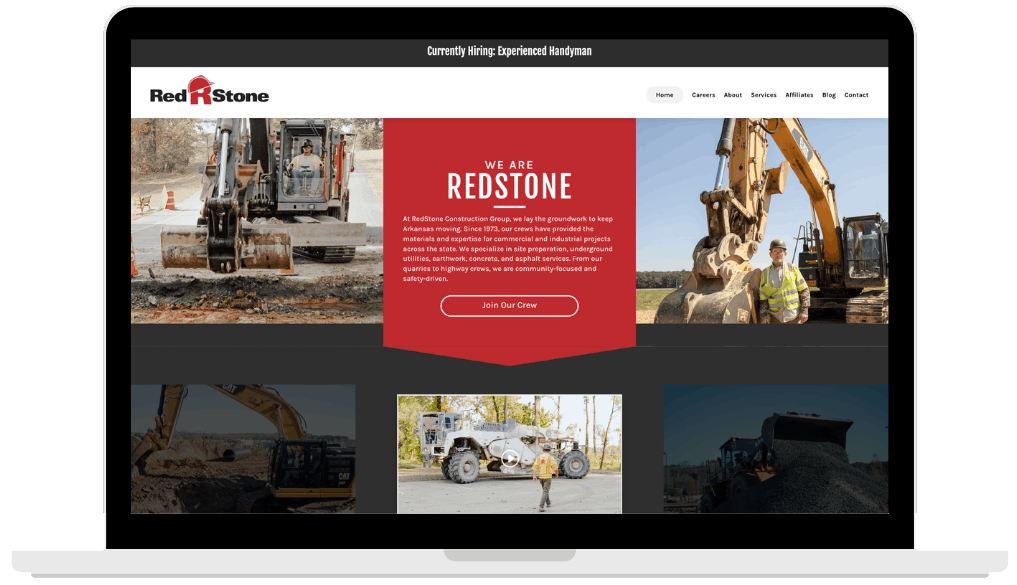
18,000+ visits to RedStone’s careers page

Website improvements led to 18,000+ visits to the careers page, increasing visibility for open roles and bringing in more candidate interest.

Website design questions we hear from home service companies

Before investing in a new website, most business owners want to understand how it works, what’s included, and how it supports their goals. These are some of the most common questions we hear from home service companies looking to improve their online presence.
Do you write website copy?
Yes. We guide structure and messaging so your site is clear and focused on driving calls and quote requests.
Can you build service and location pages?
Yes. We create pages based on your services and the areas you want to target.
How do I know if my current website is hurting my leads?
If your site is getting traffic but not turning that into calls or quote requests, or if people are leaving quickly without taking action, your website may be creating friction. Common issues include unclear messaging, poor mobile experience, slow load times, or missing calls to action.
Will the site support SEO?
Yes. Sites are built with SEO in mind, including structure, service pages, and location pages.
Is SEO worth it for small home service businesses?
Yes. SEO helps smaller businesses compete in their local market by showing up when customers are searching nearby. It creates a steady source of leads over time without relying only on paid ads.
Can the website help with hiring?
Yes. Recruitment pages can support hiring and attract the right candidates.

Ready for a website that brings in more calls?

If your website isn’t bringing in enough calls or quote requests, it’s not doing its job.

We’ll walk through what your current site is doing, where it’s falling short, and how to turn it into a tool that drives more leads and supports your growth.